APEC, ASEAN and the Trump–Xi–Putin Diplomacy Test
APEC, ASEAN and the Trump–Xi–Putin Diplomacy Test
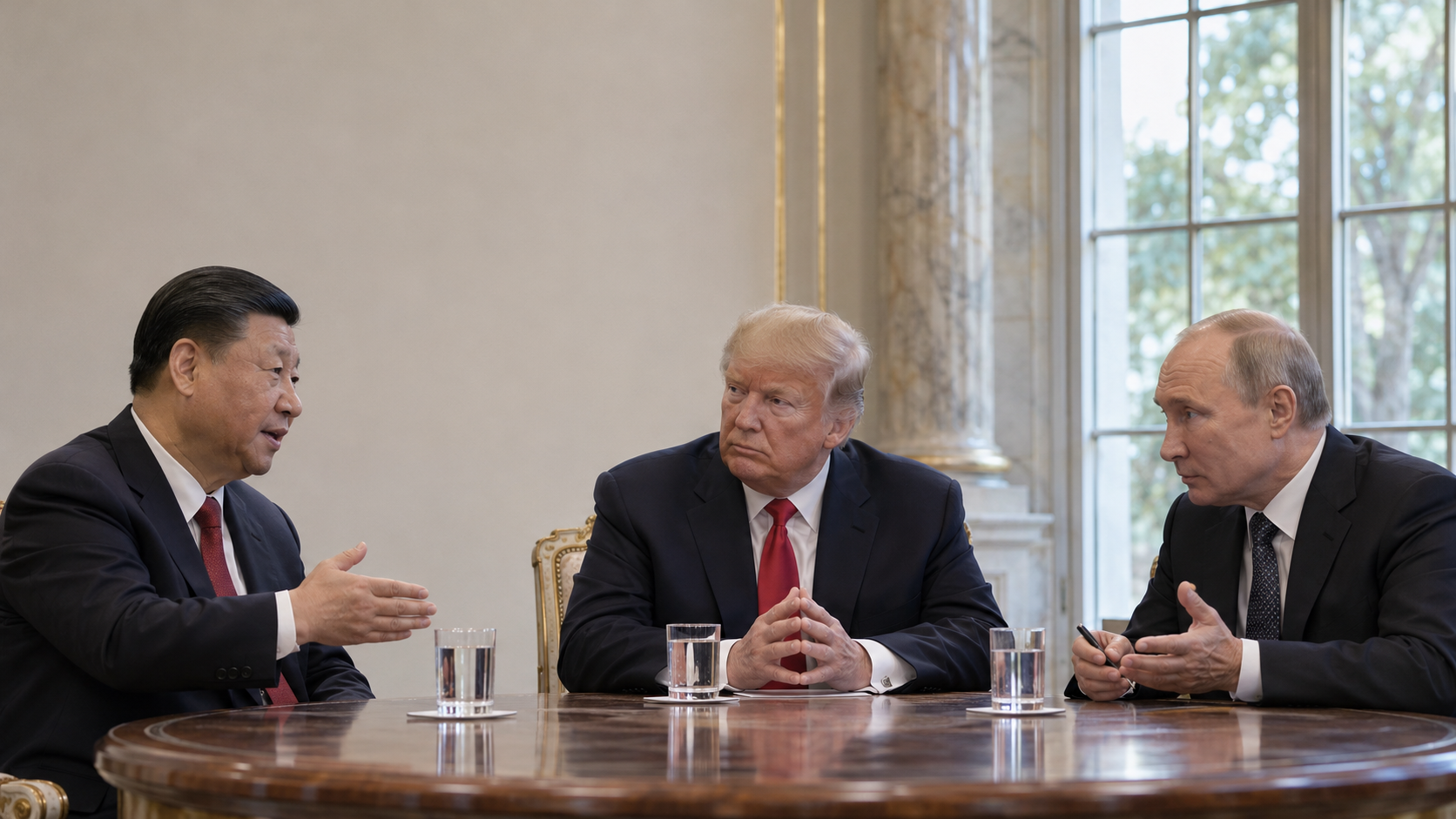
World leaders are gathering in Asia for a high-stakes week of diplomacy as the APEC and ASEAN summits coincide with Donald Trump’s planned regional trip and expected discussions involving Chinese President Xi Jinping and Russian President Vladimir Putin.
The timing places economic cooperation, alliance politics and great-power rivalry on the same diplomatic calendar. Trade restrictions, semiconductor policy, supply chains, maritime security, sanctions and military risk management are all linked to the broader contest among the United States, China and Russia.
The Trump–Xi–Putin meeting should be described as planned or expected rather than fully confirmed. Its format, timing and agenda remain distinct from established summit events and forward-looking analysis.
What Are the APEC and ASEAN Summits?
APEC’s Economic and Strategic Role
The Asia-Pacific Economic Cooperation forum, or APEC, focuses primarily on economic cooperation across the Asia-Pacific. Its agenda commonly includes trade, investment, digital commerce, connectivity and regional growth.
APEC has added strategic importance during a period of geopolitical tension. Governments are examining supply-chain resilience, critical technologies and the risks associated with economic dependence. Technology restrictions, export controls and industrial subsidies now influence diplomacy among the United States, China, Japan, South Korea, Australia and other major economies.
APEC allows leaders to discuss these pressures within a framework of economic cooperation. Joint statements can reveal how governments address tariffs, market access and digital rules, even when they remain divided over strategic issues.
ASEAN’s Regional Diplomatic Role
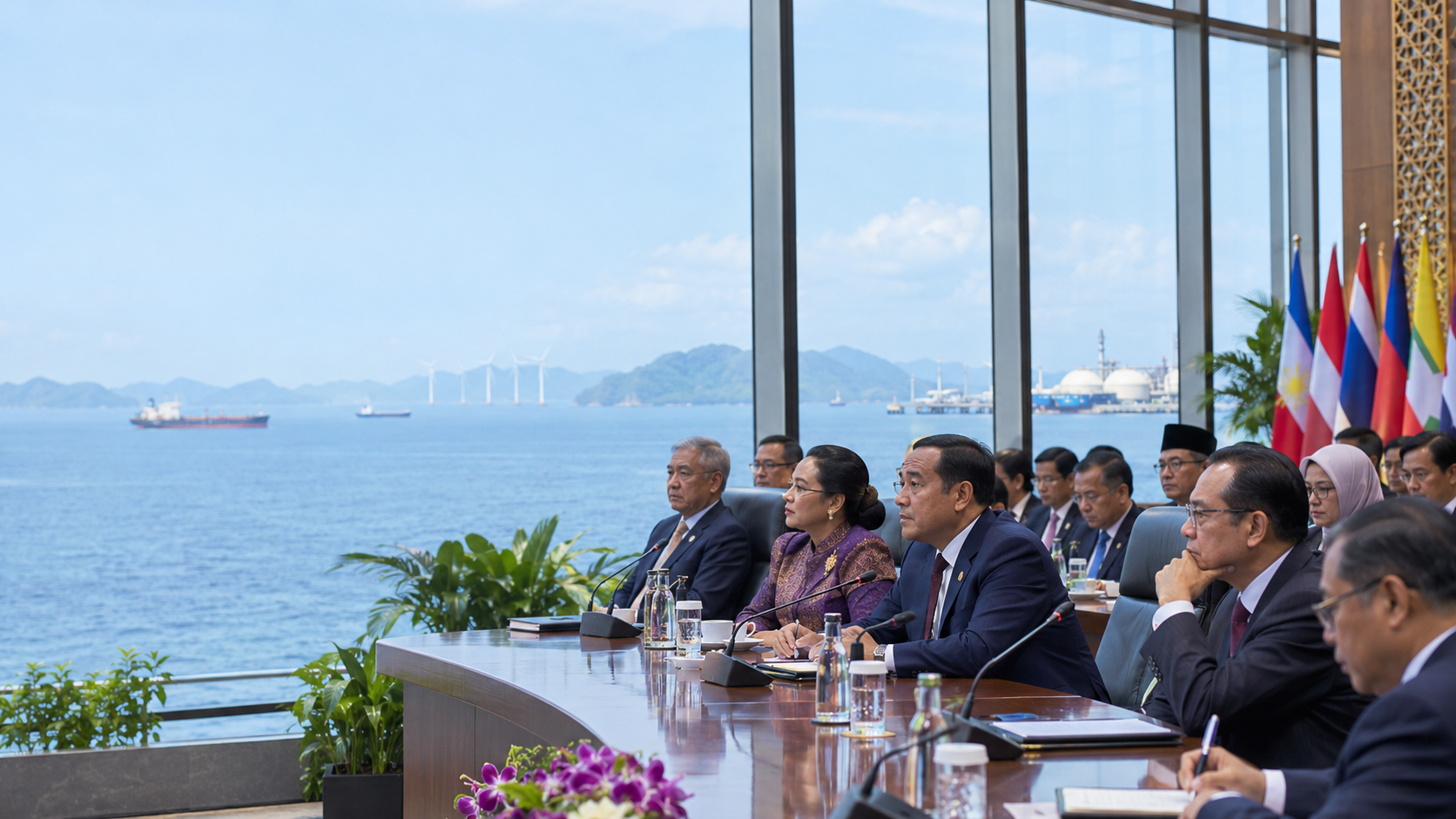
The Association of Southeast Asian Nations, or ASEAN, provides a central platform for Southeast Asian diplomacy. Its members use the organization to promote regional stability, economic integration and dialogue among major powers.
ASEAN-led meetings also include the United States, China, Russia, Japan, India, Australia and other partners. Maritime security, territorial disputes, infrastructure, energy and crisis communication remain recurring concerns.
Southeast Asian governments generally seek strategic flexibility. Many maintain close economic relations with China while relying on US trade, investment, security cooperation or defense partnerships. Aligning formally with one major power could reduce their ability to manage those relationships.
ASEAN’s consensus-based approach can appear slow, but it allows smaller and middle-sized states to keep regional concerns on the agenda and resist the idea that major powers alone should determine Asia’s future.
Why the Summits Matter Together
APEC concentrates on economic cooperation across the wider Asia-Pacific, while ASEAN addresses a broader regional and political agenda that includes security and relations among major powers.
Together, the summits create a setting for bilateral meetings, informal discussions and collective statements. Smaller states can influence the tone of major-power diplomacy through shared language on open trade, international law, regional stability and non-escalation.
Trump’s Asia Trip and the Expected Main Talks
Reuters reports that Trump is expected to begin his Asia trip in Manila before traveling to China for discussions with Xi Jinping. The supplied reporting does not provide a complete itinerary or fully confirmed schedule, so these details should be treated cautiously. Source 5
Starting in Manila would carry diplomatic significance. The Philippines is a US treaty ally and occupies a central position in discussions about maritime security, regional deterrence and the South China Sea. The sequence could allow Washington to emphasize partnerships before direct negotiations with Beijing, although the itinerary alone would not establish the purpose or outcome of later talks.
Quad Discussions Before the China Visit
The Quadrilateral Security Dialogue, known as the Quad, brings together the United States, India, Japan and Australia. It is not a formal military alliance, but it provides a framework for discussions on regional security, maritime cooperation, infrastructure, resilience and technology.
Quad discussions could address the Indo-Pacific security environment, reliable supply chains, disaster response, critical infrastructure and emerging technologies. Specific agreements should not be treated as confirmed without official documentation.
The diplomatic sequence may shape the context in which Trump engages Xi. It could reassure US partners, signal strategic pressure to China or simply represent routine consultation among partners. Beijing may view the sequence as coalition-building, while Washington may describe it as normal regional diplomacy.
The Expected Trump–Xi Meeting
A Trump–Xi meeting would likely address the main disputes shaping US–China relations:
- Trade, tariffs and market access
- Technology controls and semiconductor policy
- Supply-chain resilience
- Taiwan and military tensions
- Maritime security in the South China Sea
- Artificial intelligence and advanced technology
- Agricultural, energy and commercial agreements
- Consular issues and diplomatic communication
This list describes the structure of the relationship, not a confirmed agenda. Officials may emphasize economic issues publicly while discussing security risks privately.
Crisis communication could be especially important. Even without resolving strategic disputes, military hotlines, senior-level contacts and working-level talks could reduce the risk of miscalculation.
US–China decisions affect global markets, manufacturers, exporters, importers and technology companies. A meeting could produce a trade agreement, create a temporary pause, establish further negotiations or preserve existing communication channels. No specific outcome should be assumed.
Where Putin Fits Into the Diplomatic Picture
The possible involvement of Vladimir Putin adds a major Russia–US dimension to an Asia-focused diplomatic period. The Financial Times has used the phrase “Yalta 2.0” as an analytical frame for the prospect of major-power diplomacy. That phrase is commentary, not proof of a formal settlement or coordinated three-way agenda. Source 7
CNN describes Trump’s travel as preceding historic talks with Xi and Putin, emphasizing potential geopolitical impact without confirming a final arrangement. Source 3
Russia could use such diplomacy to pursue strategic recognition, stronger ties with China and the United States, relief from economic pressure, energy cooperation, defense ties and a larger role in global decision-making. The available sources do not establish specific demands Putin would make.
A three-power meeting could not automatically resolve separate US–China and US–Russia disputes. Washington’s disagreements with Beijing center heavily on trade, technology, Taiwan and the Indo-Pacific. Relations with Moscow involve European security, sanctions, arms control and Russia’s broader confrontation with the West.
Even a joint appearance with limited formal agreements would carry symbolic importance by suggesting that direct leader-to-leader diplomacy is becoming more central to global affairs.
The “Yalta 2.0” Debate
The Yalta comparison evokes negotiations among major powers that helped shape the postwar international order. Analysts may use “Yalta 2.0” to describe a potential meeting involving leaders with significant military, economic and political power.
The comparison reflects concerns about spheres of influence and decisions made without smaller countries’ participation. However, today’s international system includes more influential states, deeper economic interdependence, nuclear deterrence, international organizations and complex multilateral institutions.
ASEAN and APEC provide regional platforms that did not exist in the same form during the Second World War. The United Nations, global financial institutions and international legal frameworks also complicate any attempt to divide the world into simple spheres of influence.
“Yalta 2.0” is therefore best treated as an analytical label. It describes concerns about great-power bargaining; it does not establish that the meetings will produce a formal division of territory or influence.
How Regional Governments May Respond
ASEAN members have strong reasons to avoid choosing exclusively between Washington and Beijing. They want open trade, stable sea lanes, defense partnerships, investment and freedom to conduct independent foreign policies.
Great-power rivalry can create opportunities through increased investment offers, diplomatic attention and security cooperation. It can also create pressure through tariffs, sanctions, military activity and demands for political alignment.
US allies and partners, including the Philippines, Japan, South Korea and Australia, will monitor Washington’s commitments and follow-up actions. Clear consultations and predictable communication can reduce uncertainty. The challenge for Washington is to combine reassurance with diplomacy without increasing regional tension.
China will likely assess US alliance activity, Quad cooperation, APEC economic language, ASEAN responses and the tone of any Trump–Xi meeting. Beijing has an interest in presenting itself as a central regional economic and diplomatic power while criticizing exclusive security blocs.
Issues to Watch
Trade and Investment
References to tariffs, market access, investment rules, economic coercion and digital commerce may signal progress even without a formal agreement. Terms such as “open,” “resilient,” “predictable” and “non-discriminatory” may indicate shared objectives, while disputes over subsidies and national-security exceptions could remain unresolved.
Technology and Semiconductors
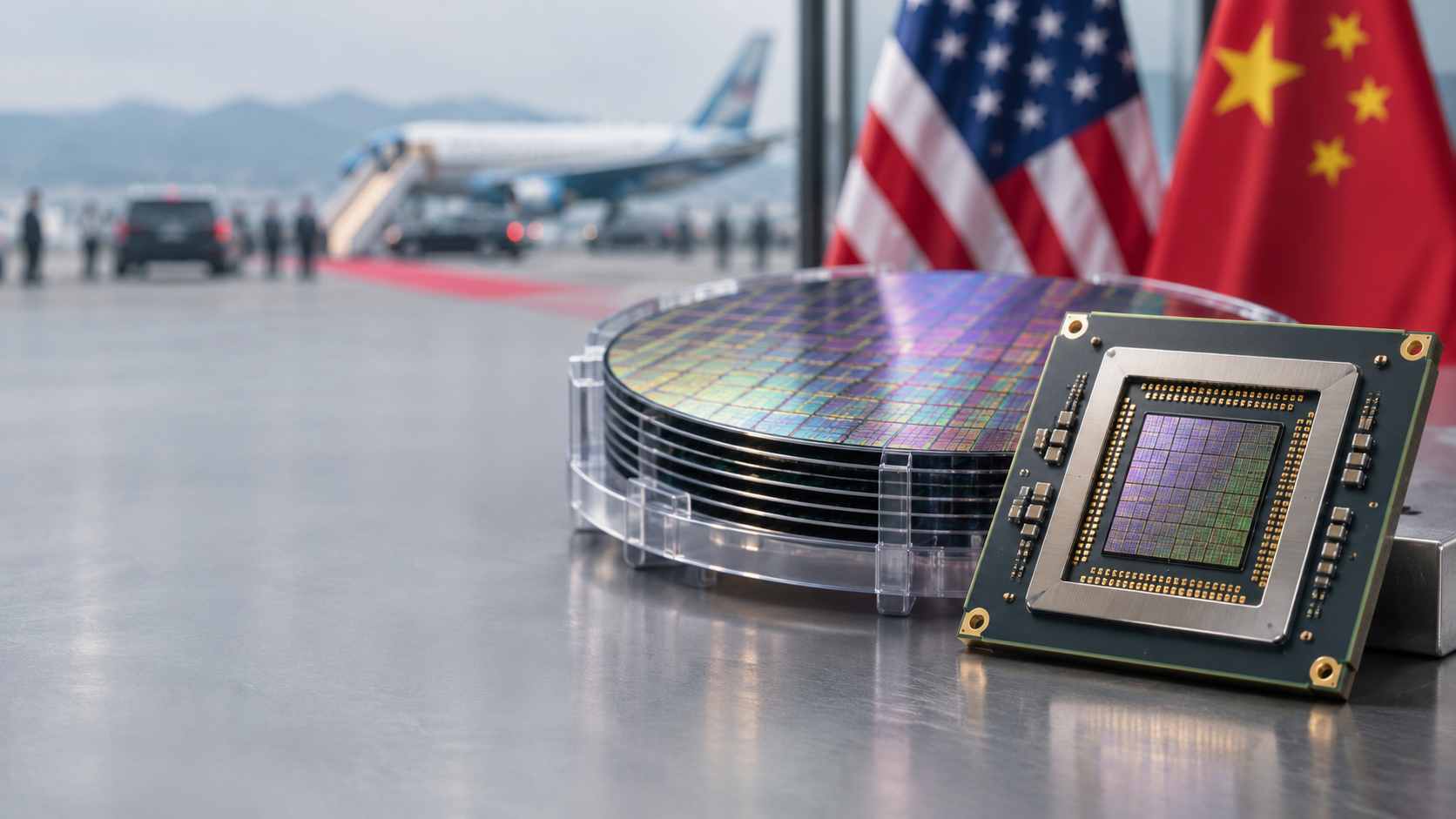
The reported Nvidia fallout adds to wider concerns about technology restrictions and commercial access. NPR links Trump’s Asia trip to talks with Xi and Putin amid that fallout, highlighting how corporate developments can intersect with strategic diplomacy. Source 9
Semiconductor policy affects national security, artificial intelligence, industrial competitiveness and global supply chains. A company-related development does not automatically indicate a new bilateral agreement or escalation.
Maritime Security
Freedom of navigation, military encounters, crisis communication and international law will influence regional confidence. Summit diplomacy may establish communication mechanisms or political principles, but it cannot resolve every territorial dispute.
Ukraine, Russia and Global Security
Russia-related issues could complicate the wider agenda. US–Russia and US–China discussions may overlap on sanctions, energy, arms control, military risk reduction and diplomatic coordination. The supplied sources do not confirm specific Ukraine-related outcomes.
Possible Outcomes
Limited De-Escalation
The leaders could restore communication channels, instruct officials to continue negotiations and contain immediate economic tensions. A limited agreement on communication, trade discussions or crisis management could reduce uncertainty without resolving broader disputes.
Symbolic Engagement
The meeting could produce carefully worded statements while each leader preserves existing positions. This would provide limited clarity but could still prevent further escalation.
Public Confrontation
Sharp criticism, new trade restrictions or conflicting security signals could intensify uncertainty. A public disagreement would not necessarily end diplomacy, but it could make future negotiations more difficult.
The outcome should be assessed by separating announcements from implemented policy, rhetoric from legal commitments and temporary pauses from durable agreements. Follow-up meetings, official documents, deadlines and enforcement mechanisms will matter more than ceremonial language.
Conclusion
The APEC and ASEAN summits create the backdrop for an unusually important period of diplomacy. The central pressures include US–China economic and security rivalry, Russia’s role in global power politics and regional demands for stability and autonomy.
The expected Trump–Xi–Putin meeting could produce a breakthrough, a temporary pause or little more than symbolic engagement. Its importance will depend less on the spectacle of the gathering than on whether leaders reduce uncertainty, preserve communication and prevent military or economic disputes from escalating.
Regional governments, businesses and investors should watch implementation rather than headlines.
Frequently Asked Questions
What are the APEC and ASEAN summits?
APEC is a regional forum focused mainly on economic cooperation across the Asia-Pacific. ASEAN is a Southeast Asian organization supporting regional dialogue, economic integration and diplomatic cooperation.
Why is Donald Trump traveling to Asia?
The supplied reporting says Trump is expected to travel to Asia for regional discussions, including Quad-related talks, followed by engagement with Xi Jinping. The trip combines alliance diplomacy, economic issues and high-level US–China relations. Source 1
What could Trump and Xi discuss?
Likely topics include trade, tariffs, technology controls, semiconductors, supply chains, Taiwan, maritime security and economic cooperation. Specific agreements require official confirmation.
Why is Putin part of the discussion?
Putin’s possible involvement adds a major Russia–US dimension to an Asia-focused diplomatic period and raises broader questions about global security and great-power relations.
What does “Yalta 2.0” mean?
“Yalta 2.0” is an analytical comparison describing the possibility of major powers shaping the international order through high-level negotiations. It does not prove that the meetings will divide spheres of influence.
What should readers watch afterward?
Monitor official statements, trade or security agreements, military communication measures and follow-up negotiations. Concrete implementation will show whether the meetings produced lasting policy changes.
Related Articles
-
 Cass Reportedly Opposes Draft UK Conversion Practices Bill
-
 South Korea Scrambles Jets After Russian ADIZ Entry
-
 Pope Leo Tour: No Verified Photo Record Yet
-
 Germany and EU States Discuss Rwanda Deportation Plan
-
 U.N. Talks on Killer Robots and AI Weapons
-
 UK Age of Consent Debate After Russell Brand Case
-
 US Tightens China AI Chip Controls as Trump Visits Asia
-
 Third U.S. Carrier in Middle East: What Is Confirmed?
-
 Mamdani and the Alleged Disbanding of an NYPD Unit
-
 Trump Says He Is Not Firing Howard Lutnick
-
 What the Evidence Shows About Jeffrey Epstein’s Death
-
 Xi, Trump and Putin May Discuss “World Peace”
-
 Five EU Countries Reportedly Plan Rwanda Return Hub
-
 ASEAN Summit Focuses on South China Sea and Energy
-
 Pope's Grueling South America Trip After Surgery
-
 Why International Students Are Rethinking U.S. Universities