Leonid Meteor Shower 2026: Peak Time and Viewing Guide
Leonid Meteor Shower 2026: When and Where to See It
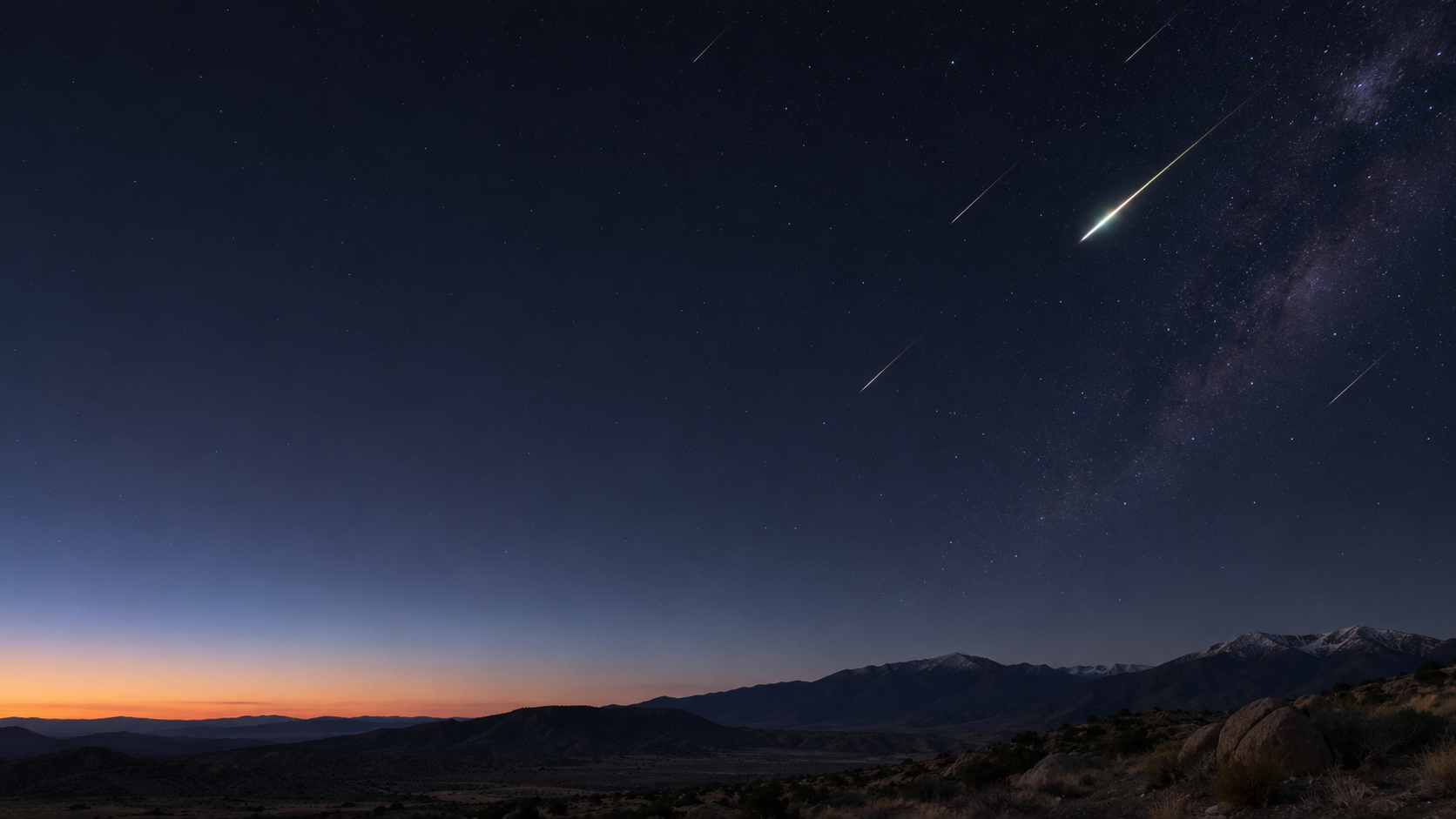
The Leonid meteor shower 2026 is expected to reach its annual maximum around November 17–18, 2026. The shower is produced by dust and debris left by Comet 55P/Tempel-Tuttle, which crosses Earth’s orbital path approximately every 33 years.
The best general viewing opportunity is usually after midnight and before dawn, when Leo has risen higher and the observer is on the side of Earth moving into the meteor stream. Local weather, light pollution, moonlight, latitude, and the exact peak time determine how many meteors you see.
The calculated maximum occurs at one moment in Universal Time, so the local date and clock time vary by location. Check a current astronomical calendar shortly before November 2026 and convert the predicted maximum to your time zone. Regional advice may differ because the best viewing window depends on local darkness and the radiant’s altitude.
When Does the Leonid Meteor Shower Peak in 2026?
Expected peak dates
The Leonid meteor shower is expected to peak around November 17–18, 2026. Activity is not limited to one night. Meteors can appear several nights before and after the predicted maximum, although rates generally decline farther from the peak.
The peak is not a universal local viewing time. Astronomers calculate the maximum in Universal Time, and observers experience it according to their time zones. In some locations, the maximum may occur during the local night. In others, it may fall during daylight, before the radiant rises, or after the best viewing window.
Use the predicted maximum as a planning reference rather than a guarantee. A clear night several hours before or after the calculated peak can produce better observations than a cloudy night at the exact maximum. BBC guidance also emphasizes November observing conditions and the importance of choosing the right time of night. Source 7
Best time of night to watch
The best time to see the Leonids is generally between midnight and dawn. After midnight, your location faces the direction of Earth’s orbital motion, increasing the chance that the atmosphere will encounter meteoroids.
The radiant—the point from which Leonids appear to originate—also rises higher during the night. A higher radiant usually means more meteors can appear above the horizon. The final few hours before sunrise are often most favorable, provided the sky is dark and the Moon is not interfering.
Watch for at least 30 minutes, and preferably an hour or longer. Your eyes need time to adjust to darkness, and meteor activity occurs in bursts rather than at a steady rate.
Will the Leonids produce a meteor storm in 2026?
The Leonids are famous for spectacular meteor storms. In exceptional years, Earth passes through dense trails of comet debris and observers see dramatically elevated rates. The best-known storms occurred around the 33-year return of Comet Tempel-Tuttle.
A major storm should not be assumed for 2026. The annual shower may produce attractive meteors without reaching storm-level activity. Predicted hourly rates are estimates under ideal conditions, not personal guarantees. Bright fireballs can appear even during a relatively quiet night.
Where Can You See the Leonid Meteor Shower?
Best environments for viewing
The best viewing site offers:
- Dark skies away from artificial light
- A broad, unobstructed view
- Clear weather
- Safe access and legal parking
- A comfortable place to sit or recline
Rural roads, approved dark-sky parks, beaches, open fields, and elevated sites can work well. A nearby dark location usually provides better results than a distant observatory with poor weather or obstructed views.
Avoid trees, buildings, hills, and nearby lights that cover much of the sky. Confirm opening hours and access rules before traveling, especially for parks and protected areas.
Viewing from cities and suburbs
Urban light pollution hides faint meteors by brightening the background sky. City observers can still see bright Leonids, but the visible number will be lower.
Improve your chances by moving to a park, sports field, waterfront, or other open area away from direct lighting. Turn away from streetlights and shield nearby lamps with a building or wall, without blocking the sky. Keep phone screens dim, use night mode, and avoid checking the screen repeatedly.
Viewing by hemisphere
Northern Hemisphere
The Leonid radiant is generally well placed for northern observers. Leo rises in the eastern sky during the night and reaches a more favorable altitude before dawn. Conditions still vary with latitude.
Do not stare directly at Leo. Meteors can appear anywhere across the sky, and trails near the radiant look shorter. Face a wide, dark section of sky roughly 45 degrees from the radiant.
Southern Hemisphere
The Leonids are also visible from southern locations, although Leo may remain lower in the sky. A lower radiant can reduce the number of meteors visible above the horizon.
Choose a site with a clear northern horizon, minimal light pollution, and no trees or buildings blocking the sky. A longer session can help compensate for the lower radiant altitude.
How to See the Leonids From Where You Live
1. Find the local peak time
Start with the predicted maximum in Universal Time. Convert it to your local time zone, including any daylight-saving rules that apply in November.
Check whether the maximum occurs before midnight, after midnight, near dawn, during daylight, or while Leo is below the horizon. If the peak occurs during daylight or while the radiant is low, observe during the darkest hours on the nearest suitable night.
2. Check the radiant’s position
Leonids radiate from the region of Leo, the lion constellation. The radiant rises later in the evening and climbs higher before dawn. Use a reliable sky map or astronomy app to locate it.
The radiant helps identify the shower but is not the best place to focus your eyes. Looking farther away produces longer trails and lets you cover more sky.
3. Check the Moon
Moonlight can wash out faint meteors. Check the Moon’s phase, moonrise and moonset, position during your session, and whether it will be above the horizon near the peak.
If the Moon is visible, place it behind you or behind a building, hill, or other safe obstruction. Its effect changes throughout the night, so a bright early evening can become darker later.
Avoid publishing a specific 2026 lunar forecast until it has been checked against a current astronomical almanac.
4. Check local weather
Clear skies matter more than a high predicted meteor rate. Check cloud cover, visibility, humidity, wind, temperature, fog, and haze on the day of observation. Forecasts can change quickly in November, so check again before traveling.
Viewing Guide by Location
North America
Observers across North America should prioritize the hours after midnight and before dawn. Convert the predicted peak carefully because the most useful local date can differ across the eastern, central, mountain, and Pacific time zones.
Dark-sky areas away from major metropolitan regions provide the best conditions. In the western United States and Canada, high deserts, rural areas, and approved mountain sites can offer excellent darkness, but cold temperatures and access restrictions require planning.
Oregon and the Pacific Northwest
Oregon observers should follow local cloud and precipitation forecasts closely. Wet November weather can make otherwise suitable sites unusable, especially in western Oregon and coastal areas.
Choose an open location away from Portland, Eugene, Salem, and other sources of artificial light. Check road conditions, standing water, fog, and site access before departure. OregonLive has published regional Leonid viewing guidance, illustrating why local timing and weather advice can differ from national forecasts. Source 3
Europe
Determine whether the predicted maximum occurs during local nighttime. Northern European locations may see Leo at a favorable altitude, but clouds, short November days, and light pollution remain decisive. Compare several nights around November 17–18 rather than relying on one date.
Asia and the Middle East
Convert the predicted peak time carefully across wide time zones. In some areas, the best opportunity may occur shortly before sunrise. Choose a site with a clear horizon, low light pollution, and safe access. Prepare for sharp temperature drops after midnight in dry, elevated areas.
Australia and New Zealand
The Leonids remain observable from Australia and New Zealand, although the radiant may be lower than for many northern observers. Find a location with a clear northern view and avoid trees, buildings, and hills in that direction. An extended session before dawn can improve your chances.
Latin America and the Caribbean
Visibility varies with latitude, cloud cover, and horizon obstructions. Use a sky map to check the radiant’s altitude for your location. Coastal and rural areas may provide darker skies, but humidity, haze, and tropical cloud cover can reduce transparency.
Equatorial and tropical locations
Observers near the equator may obtain a favorable view of Leo, depending on the time and local horizon. Humidity, haze, and clouds can still limit visibility. Choose a dry, elevated, unobstructed location where safe, and monitor forecasts for storms and high winds.
What Direction Should You Look?
Leonids can appear across a large portion of the sky. Looking directly at Leo is unnecessary and makes trails appear shorter. Aim roughly 45 degrees from the radiant toward a dark, unobstructed section of sky.
The ideal direction depends on your location, nearby lights, the Moon, and obstructions. A reclining chair or sleeping bag makes it easier to scan the sky without neck strain. Face away from streetlights, bright buildings, stadiums, industrial lighting, bright neighborhoods, and the Moon.
What Equipment Do You Need?
No telescope or binoculars are required. Naked-eye viewing is preferable because meteors can appear anywhere across a wide field of sky. Useful equipment includes:
- Reclining chair or sleeping bag
- Warm layers and blankets
- Red-light flashlight
- Thermos of a warm drink
- Dimmed smartphone with night mode
- Sky map or astronomy app
- Camera and tripod
Check site access, terrain, weather, and parking before leaving. Avoid unstable ground, cliffs, railway lines, unsafe roads, restricted property, and locations where vehicles cannot see pedestrians. Observe with a companion at remote sites and tell someone where you are going.
How Many Leonid Meteors Could You See?
The zenithal hourly rate, or ZHR, is an idealized estimate for exceptionally dark skies, a radiant directly overhead, and perfect observing conditions. It is not the number every observer will see.
Real-world counts are reduced by light pollution, moonlight, clouds, haze, trees, buildings, a low radiant altitude, short sessions, and uneven meteor activity. Earth passes through an irregular stream of comet debris, so activity can vary from hour to hour and night to night. Occasional bright fireballs may appear even when the overall rate is modest.
Leonids Versus Other November Meteor Showers
The Leonids are sometimes confused with the Orionids, another major autumn shower. They have different parent comets and radiant locations:
- Leonids: Associated with Comet 55P/Tempel-Tuttle; radiant near Leo.
- Orionids: Associated with Halley’s Comet; radiant near Orion.
The Orionids peak earlier, generally in October, while the Leonids peak in November. A source discussing Orionid activity should not be used as evidence for Leonid timing or visibility. Source 9
Quick Checklist
- Choose a night around November 17–18.
- Check the predicted peak in Universal Time.
- Convert it to local time.
- Confirm clear weather.
- Find the darkest safe location available.
- Check moonrise, moonset, and lunar brightness.
- Arrive at least 30 minutes early.
- Let your eyes adjust to darkness.
- Face a broad, unobstructed section of sky.
- Look away from Leo for longer trails.
- Stay outside for at least one hour.
- Dress for overnight November temperatures.
- Recheck conditions before traveling.
FAQ
When is the Leonid meteor shower peak in 2026?
The peak is expected around November 17–18, 2026. The exact best time depends on the official forecast, time zone, radiant altitude, moonlight, and weather. Check a current astronomical calendar shortly before the event.
What is the best time to see the Leonids?
The best general window is after midnight and before dawn, when Leo rises higher. The most useful local window varies by latitude and time zone.
Where is the best place to watch the Leonids?
Choose a dark location away from city lights with a wide, unobstructed view. Dark-sky parks, rural areas, beaches, and open fields can work well when access is safe and legal.
Can I see the Leonids without a telescope?
Yes. Naked-eye viewing is preferred because meteors appear across a wide area of sky.
Which direction should I face?
The radiant lies near Leo, but do not look directly at it. Look roughly 45 degrees away from the radiant toward the darkest clear part of the sky.
Will the Leonids be visible from the Southern Hemisphere?
Yes, weather and sky conditions permitting. The radiant may be lower for some southern observers, so choose dark skies, a clear northern horizon, and a longer observing session.
Related Articles
-
 Why People Are Flashing Lights for Voyager 1
-
 Northern Lights Forecast: 12 States May See Aurora
-
 NASA Investigates Mars’ Mysterious “Potato Chip” Shapes
-
 Voyager 1 Reaches the One-Light-Day Milestone
-
 Voyager Probe Nears One Light-Day From Earth
-
 Thinkers of Cernavodă: Stone Age Figurines
-
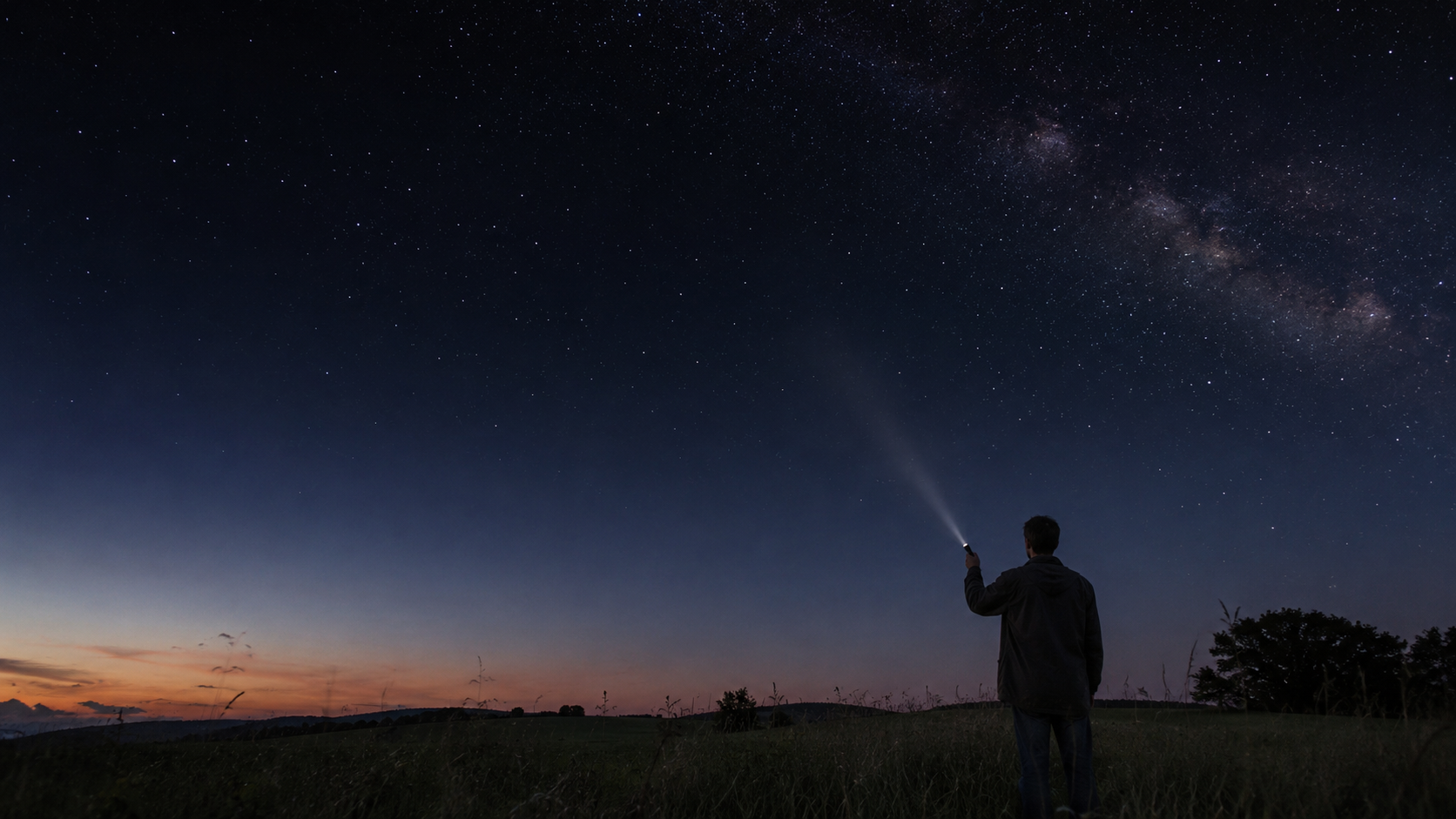 Why NASA Wants You to Shine a Light for Voyager 1
-
 Stephen Hawking’s Private Life Reexamined
-
 Ebola Is Survivable: Why Prompt Treatment Matters
-
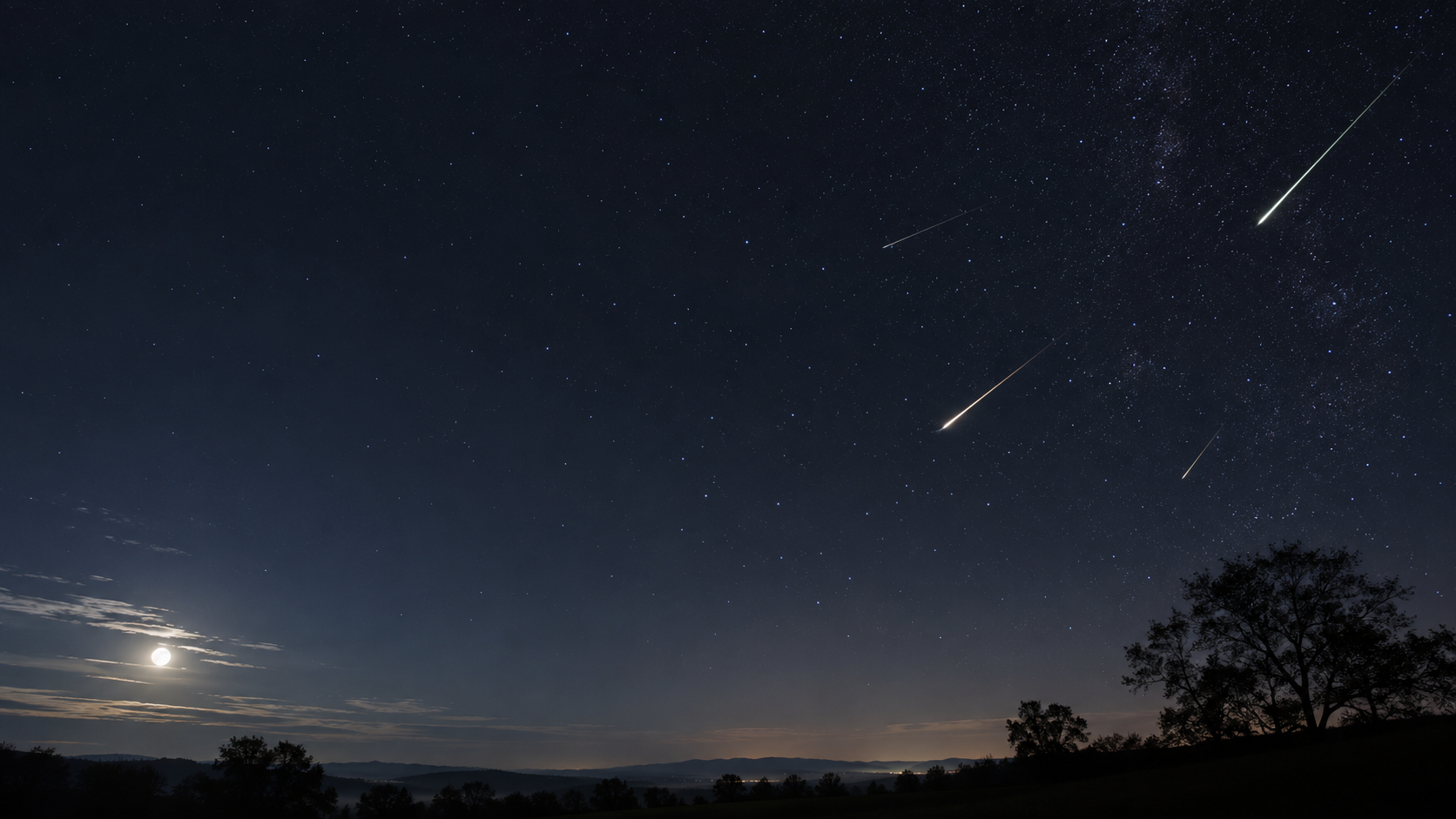 Leonid Meteor Shower Peaks Tonight: Viewing Guide
-
 Hayabusa2 and 1998 KY26: What the Target Change Means
-
 Starship Flight 15, Tesla Merger, and $74B AI Bet
-
 Voyager 1 Approaches One Light-Day From Earth
-
 Leonid Meteor Shower 2026: Peak Dates and Viewing Guide
-
 ʻOumuamua: The Mysterious Interstellar Visitor
-
 Curiosity Finds Bright Yellow Elemental Sulfur on Mars